How Long Does It Take To Sell A House In The UK?
The average UK house sale usually takes around four to seven months from going on the market to completion. A simple chain free sale can finish much faster, while a sale with a long chain, mortgage delays, survey issues, or leasehold paperwork can take longer. The main split is between finding a buyer, which often takes several weeks, and the legal work after an offer is accepted, which can take three months or more.
For many sellers, the hardest part is not always the work itself. It is the waiting and not knowing what will happen next. You may be planning a move, sorting schools, relocating for work, supporting care needs, or selling an investment property. Even a short delay can feel stressful when other plans depend on the sale. Pennine Investments works with sellers, landlords, developers and investors across the UK property market, with strong practical knowledge of the North West, helping people understand likely timescales, risks and options before they make a move.
Most UK sellers should expect the full house sale timeline to take somewhere between sixteen and thirty weeks. That range is normal because every sale has several moving parts, including marketing, viewings, offers, surveys, mortgage checks, searches, enquiries, exchange and completion.
It helps to think of the process in two halves. The first half is the marketing stage, where your estate agent lists the property, handles viewings and negotiates offers. The second half is the legal and financial stage, where conveyancers, lenders, surveyors and everyone in the chain need to line up properly. A property can feel sold once an offer is accepted, but in England and Wales it is not legally secure until exchange of contracts.
As a rough guide, a chain free cash buyer may complete in eight to twelve weeks if the paperwork is clear and everyone replies quickly. A standard sale with mortgages and one or two linked transactions often takes around five to six months. A long chain, survey issue, leasehold delay, or mortgage problem can push the process beyond seven months. In the worst cases, the sale may fall through and need to restart.
The Full UK House Sale Timeline Stage By Stage
A UK house sale normally moves through four main stages. These are getting ready to list, finding a buyer, reaching exchange of contracts, and then completing the sale. Each stage has its own timescale, and delays in one stage can affect the whole move.
Stage One: Getting Ready To List
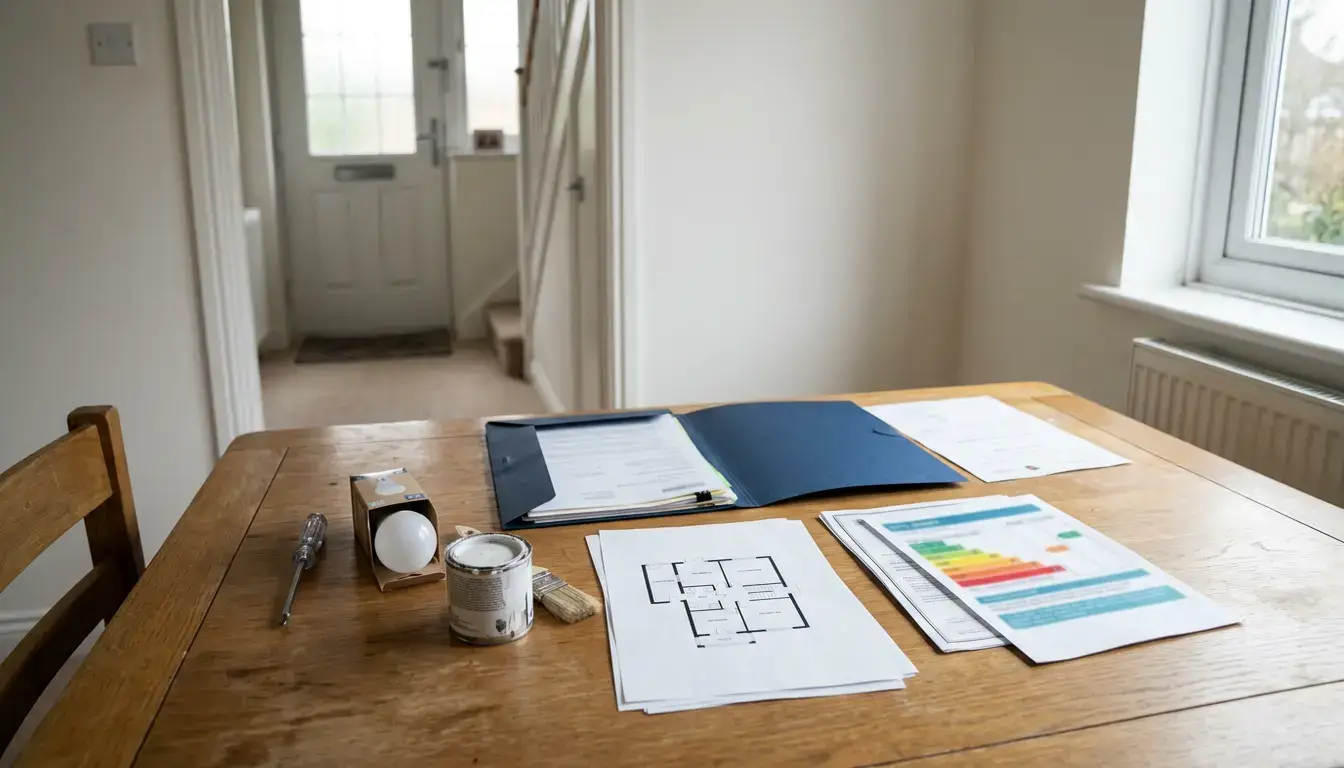
Getting ready to sell usually takes one to three weeks, although organised sellers can move faster. This stage includes choosing an estate agent, agreeing a valuation, arranging photos, gathering documents and making the property presentable. It is also a sensible time to check your mortgage position, any early repayment charges, and paperwork linked to planning, building work, guarantees, or warranties.
Good preparation can save weeks later. If you own a leasehold flat, for example, the solicitor acting for the buyer may need a management pack from the freeholder or managing agent. These packs can take time, so asking early can stop the legal process from sitting still later. Sellers who wait until after an offer is accepted to find key documents often discover that small admin tasks can become bigger roadblocks.
Stage Two: Going On The Market And Finding A Buyer
The time from listing to accepting an offer often takes around four to nine weeks, but the range can be much wider. Well priced homes in popular areas can attract strong interest within days, while overpriced or unusual properties may sit on the market for months. Local demand, property condition, presentation, pricing and season all play a part.
It is common for sellers to wonder why a nearby home sold quickly while theirs is still waiting for a buyer. UK housing market reports often show average time to sell figures of around forty five days in some periods, while other market summaries suggest closer to two months to find a buyer. These figures usually measure the marketing stage rather than the full legal transaction. That is why sellers can hear different averages and feel confused. A home may find a buyer in six weeks, yet still take another three or four months to legally complete.
Pricing is one of the biggest factors. A slightly hopeful asking price can work in a strong market, but in a slower market it may reduce viewings and weaken buyer confidence. Clear photography, accurate floorplans, tidy rooms and honest descriptions also matter. Buyers often decide whether to book a viewing very quickly, so the first impression needs to work hard.
Stage Three: Offer Accepted To Exchange Of Contracts
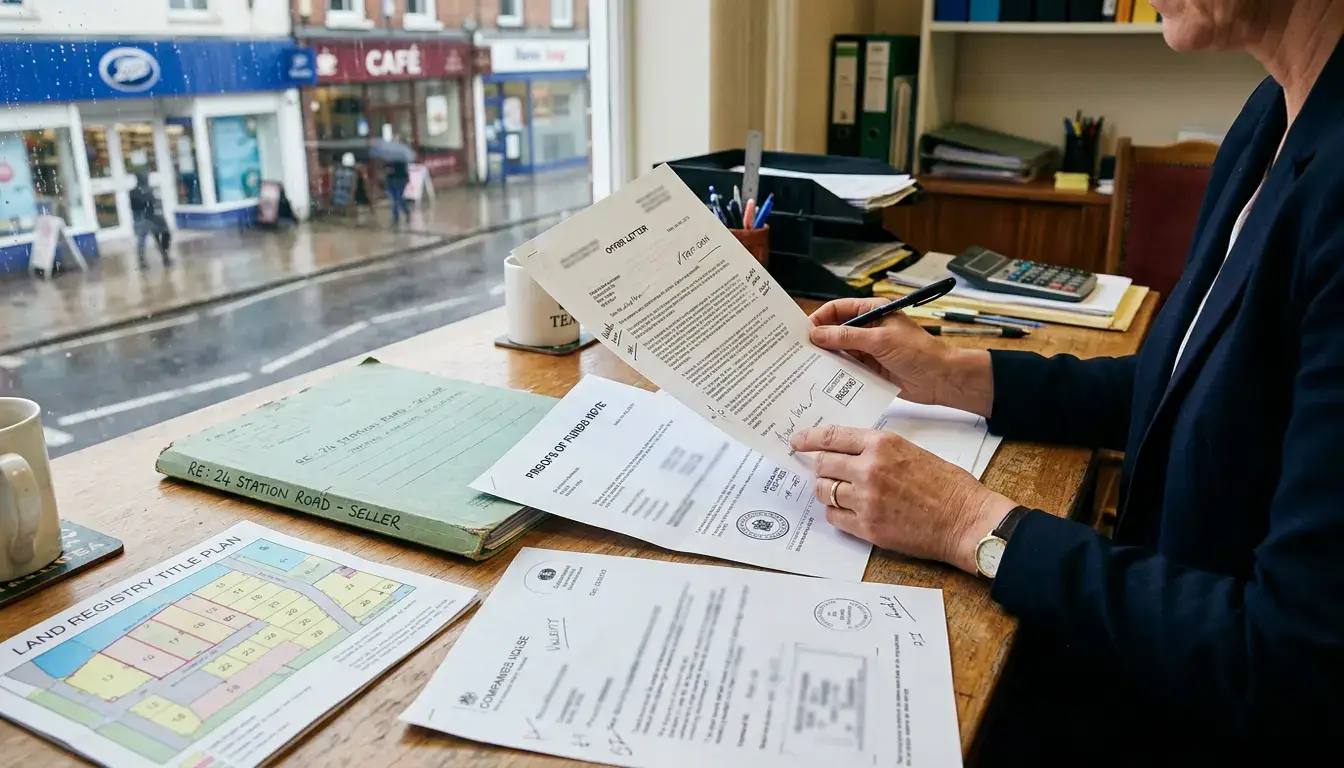
The period from offer accepted to exchange commonly takes ten to sixteen weeks, although many sales take longer. During this stage, the seller conveyancer prepares the contract pack, the buyer conveyancer raises enquiries, searches are ordered, the mortgage offer is processed, and the survey takes place. The official home buying and selling process is explained by GOV.UK guidance on buying and selling a home, which is useful for understanding who does what.
Conveyancing is the legal transfer of ownership from seller to buyer. In simple terms, it is the set of checks and documents that prove the property can be sold and bought safely. The buyer solicitor checks the title, boundaries, rights of way, planning matters, local authority information and anything that may affect the property. If the survey flags damp, roof problems, or structural concerns, the buyer may ask for more information, request specialist reports, or try to renegotiate the price.
This is also where property chains become important. If your buyer is waiting for their buyer, and that person is waiting for another buyer, one delay can affect everyone. A missing mortgage offer, slow search, late enquiry response, or nervous buyer can hold up the whole chain. Most sellers can cope with some waiting. What they really need is clear communication about why they are waiting.
Stage Four: Exchange To Completion
Exchange to completion usually takes one to four weeks. Once contracts are exchanged, the sale becomes legally binding and the completion date is fixed. The buyer pays a deposit, both sides prepare for moving day, mortgage funds are requested, and final checks are completed.
Some transactions exchange and complete on the same day, but this can be stressful because there is little room for error. Many sellers prefer a gap of one or two weeks, giving everyone time to book removals, organise keys and deal with final admin. Longer gaps may happen where new build properties, rental notices, onward purchases, or work commitments need to be managed.
Typical House Sale Timeline Scenarios
Every sale is different, but a few common examples show what a realistic UK house sale timeline can look like in practice.
Fast chain free sale: Preparation may take one to two weeks, finding a buyer may take two to six weeks, legal work may take six to ten weeks, and completion can follow shortly after exchange.
Standard sale with a chain: Preparation may take around two weeks, finding a buyer may take six to nine weeks, legal work may take twelve to sixteen weeks, and completion may take one to three weeks after exchange.
Slower sale with complications: Marketing may take three months or more, conveyancing may run beyond four months, and survey, mortgage, or chain issues can extend the total timeline to nine months or longer.
What Causes Delays When Selling A House?
The most common delays when selling a house are chains, searches, surveys, mortgage issues and missing paperwork. A property chain is often the biggest unknown because it depends on several people completing different tasks at the same time. If one buyer changes lender, loses their buyer, or renegotiates after a survey, everyone above them may need to wait.
Local authority searches can also affect timescales. These searches check matters such as planning history, roads, restrictions and local land charges. Turnaround times vary by council and workload, so a quick search in one area does not mean the same will happen elsewhere. Your conveyancer can often give a more realistic view once the property location is known.
Mortgage delays are another regular cause of frustration. A lender may need a valuation, extra payslips, proof of deposit, gifted deposit letters, or further checks before it issues a mortgage offer. If the valuation comes in lower than the agreed price, often called a down valuation, the buyer may need to renegotiate or find more money. That can add weeks, even when both sides still want the sale to go ahead.
Survey issues can also slow progress. Minor comments are normal because surveyors are paid to spot risks, not simply admire the hallway. Bigger concerns such as roof defects, damp, movement, or lease problems may lead to more enquiries and price discussions. Sellers who can provide warranties, permissions and invoices quickly are often in a stronger position.
How Long Does It Take To Sell A House In Manchester?
Manchester sellers should usually plan for a timeline broadly similar to the wider English market, with many sales taking around four to six months from listing to completion. Recent public market summaries, including Home.co.uk local market data, have placed Manchester sale times at roughly one hundred and forty three days. That is about twenty weeks, which is a useful benchmark. Individual results still vary by area, property type, price point and buyer demand.
Greater Manchester has a varied property market. A well priced terrace near strong transport links may move quickly, while a leasehold flat with cladding questions, service charge issues, or management pack delays may take longer. Family homes in popular school catchments can attract strong interest, but buyers may still need mortgage approval and a clear survey before the sale moves forward.
The North West market is one of the areas Pennine Investments knows well through its work with property investment opportunities, portfolio services and property solutions. That local view matters because selling times are not just national averages on a chart. They are shaped by buyer demand, rental demand, investor appetite, stock levels, local searches and the practical details of each property.
How To Speed Up Your House Sale
You cannot control every part of a house sale, but you can remove many avoidable delays. Start by instructing a conveyancer early, ideally when the property goes on the market rather than after you accept an offer. Complete property information forms promptly, gather guarantees and permissions, and ask for leasehold documents as soon as possible if they apply.
Be realistic with pricing from the start. A property that needs repeated reductions may lose momentum and make buyers wonder what is wrong with it. Ask for evidence of comparable sold prices, not just hopeful asking prices, because completed sales give a clearer view of what buyers and lenders may support.
If you are not sure whether to wait for the highest offer or choose the safest buyer, look beyond the price alone. A strong offer is not only about the highest number. It is also about whether the buyer has a mortgage agreement in principle, proof of deposit, a short chain, or a clear moving position. Sometimes a slightly lower offer from a chain free buyer can be more attractive than a higher offer sitting at the top of a fragile chain.
Communication is another simple way to save time. Reply to your solicitor quickly, answer estate agent calls, provide documents in one clear batch where possible, and keep your onward plans realistic. In practice, the sales that move most smoothly are usually the ones where paperwork, pricing and buyer checks are handled early. If you need more certainty, or you are dealing with a property that may not suit a normal open market sale, it may be worth exploring a faster property sale option so you can compare routes before deciding.
Example UK House Sale Timelines
A standard family home might take two weeks to prepare, seven weeks to find a buyer, fourteen weeks to reach exchange and another two weeks to complete. That gives a total of around twenty five weeks, or just under six months. This is a common pattern when there is a mortgage, a short chain and no major legal or survey problems.
A chain free sale can be much quicker. If the seller is ready, the buyer has funds arranged and the title is straightforward, the property might find a buyer within a month and complete eight to ten weeks later. That creates a total timeline of around three months, although this still relies on fast searches, proactive conveyancers and no hidden issues.
A slower sale might spend twelve weeks on the market, then face a survey renegotiation, a delayed mortgage offer and a chain problem below the buyer. In that case, the legal stage may stretch to five months or more. The total timeline can then reach eight to ten months, which is frustrating but not unusual when several complications arrive together.
Frequently Asked Questions
How Long Does It Take From Offer Accepted To Completion In The UK?
It commonly takes twelve to sixteen weeks, but a chain, mortgage delay, or survey issue can make it longer. A simple chain free sale may complete faster if everyone is ready. The key is having the paperwork ready before anyone starts chasing for it.
What Is The Fastest Realistic Time To Sell A House?
A very fast sale may complete in eight to twelve weeks from listing, usually where there is a chain free buyer and straightforward legal work. Anything faster is possible, but it is less common and needs everyone to move quickly.
Why Do House Sales Fall Through?
Sales often fall through because of chain problems, mortgage issues, survey findings, renegotiations, or a buyer changing their mind before exchange. Until contracts are exchanged, either side can usually walk away.
Do Leasehold Properties Take Longer To Sell?
They can take longer because the solicitor acting for the buyer may need management packs, service charge details, ground rent information and freeholder replies. Ordering documents early helps reduce delays and saves a lot of last minute stress.
When Should I Start Preparing To Sell?
Start several weeks before listing if possible, especially if the property is leasehold or has had building work. Early preparation makes the whole process smoother once a buyer is found.