Selling a house quickly without dropping your price is about removing doubt, delay and stress from the process. Buyers move faster when the price feels fair, the home looks well cared for, the listing answers their main questions, and the paperwork is ready before anyone starts chasing it. A faster sale does not have to mean giving away value.
A quick sale also does not mean accepting the first low offer or ignoring market feedback. It means launching with clear evidence, presenting the home properly, attracting serious buyers, and keeping the legal work moving once an offer is agreed. Pennine Investments helps property owners, landlords, and investors understand these steps with clear, practical guidance shaped by real experience in the UK and North West property market.
Why Some Homes Sell Quickly While Others Need Price Reductions
Some homes sell quickly because buyers feel confident from the first click. The photos are clear, the asking price is supported by local evidence, the property looks clean and cared for, and the seller can answer key questions without delay. That confidence matters because most buyers are not just choosing a home. They are choosing a process they hope will not fall apart halfway through.
When a property stays on the market, the reason is not always the price. It may be poor presentation, weak photos, limited viewing times, missing leasehold details, unclear parking information, or buyers who have not been properly checked. The best step is to find the real issue before reducing the asking price. Few enquiries may point to price or online search visibility, while plenty of viewings but no offers may mean buyers are spotting problems in person that the listing has not explained.
How to Sell a House Quickly Without Dropping Your Price
The most reliable way to sell a house quickly without dropping your price is to make the property easy to choose and easy to buy. That means pricing it properly from day one, making it look its best, choosing a strong buyer, and preparing the legal pack early. Each step protects value because it reduces the reasons a buyer might pause, negotiate hard, or walk away.
Think of the sale as two clear stages. The first stage is winning buyer interest, which comes from price, presentation, and marketing. The second stage is getting from offer to completion, which depends on buyer readiness, solicitor speed, paperwork, and clear communication. Sellers often focus on the first stage and forget the second, yet a slow legal process can damage a strong offer just as easily as a poor viewing.
Price Your House Accurately From The Start
Accurate pricing is not the same as low pricing. A sensible launch price is one that matches real local evidence while still leaving room for fair negotiation. The strongest evidence usually comes from similar sold prices, current competing listings, and professional valuations. It should not be based only on what a neighbour hopes to achieve or what an online calculator suggests after a quick search.
Use homes that are genuinely similar in property type, size, condition, tenure, parking, garden space, extensions, and exact location. A modern three bedroom semi with a driveway is not a fair comparison for a tired terrace two streets away with no parking. You can check completed sale information through GOV.UK sold house prices, but remember that sold data can be behind the current market. It should be used alongside recent estate agent advice and live competition.
Getting three independent valuations is a sensible step, especially if you need speed but do not want to sell for less than the property is worth. Ask each agent which similar sales support their figure, who the likely buyer is, and how they would respond if early interest is weak. Be careful with the highest valuation if it is not backed by evidence. Overpricing can make a listing go stale, invite low offers, and lead to repeated reductions that look more worrying than one well judged launch price.
Improve Presentation Without Overspending
Good property presentation helps buyers see value without feeling they are paying for unfinished jobs. You do not need to turn the house into a show home or spend heavily on upgrades. The aim is simple. Remove distractions, fix obvious faults, and make each room easy to understand.
Start with decluttering because it costs little and often makes the biggest visual difference. Clear kitchen worktops, reduce furniture in tight rooms, tidy storage areas, and remove items that make the property feel too personal. Buyers know people live in homes, of course, but they still want to picture their own furniture, routines, and quiet Saturday morning coffee in the space.
Small repairs can also protect your price because they stop buyers from building a repair bill in their head. Dripping taps, damaged sealant, loose handles, scuffed paintwork, cracked tiles, missing bulbs, untidy grout, and overgrown gardens all make a home feel less cared for. None of these issues may be serious alone, but together they can give buyers a reason to lower their offer.
Kerb appeal matters too because first impressions tend to stick. Clean the front door, tidy the path, cut the lawn, move bins away from the entrance, and make sure windows look fresh. A few simple touches can make a property feel warmer before the buyer has even stepped inside.
Make The Listing Do More Of The Work
A strong listing creates interest without making the home look like a bargain. The photos should be bright, honest, and ordered so the best spaces appear first. A clear floorplan is just as important because buyers want to understand room sizes, flow, and whether the layout fits their daily life before they book a viewing.
The description should answer practical questions rather than relying on vague phrases. Buyers want to know about tenure, parking, outside space, transport links, schools, recent improvements, storage, and any unusual features. If there is leasehold information, a shared access route, or a planning condition that matters, it is usually better to be clear early than let it appear later as an unwelcome surprise.
Launch timing also matters. Make sure photos, floorplan, description, EPC information, and viewing arrangements are ready before the property goes live. If enquiries arrive quickly but nobody can view for ten days, momentum is lost. A well planned launch should make it easy for serious buyers to act while interest is strong.
Use Feedback Before You Touch The Price
Feedback is only useful when it is specific. Vague comments like not for them do not help much, so ask for patterns. Did buyers dislike the layout, condition, road, garden size, lease terms, or price compared with other homes they viewed? If several people mention the same issue, you have something useful to work with.
- Few enquiries: Review the asking price, first image, online search position, and whether the listing clearly shows the property's best features.
- Many enquiries but few viewings: Check viewing availability, buyer checks, and whether the description is attracting the right audience.
- Many viewings but no offers: Look closely at presentation, condition, layout concerns, and how the price compares with nearby alternatives.
- Offers below expectations: Compare each offer with buyer strength, finance position, and recent evidence before deciding whether the price is the problem.
This approach avoids panic reductions. Sometimes a new first photo, better viewing access, or a clearer explanation of parking can improve results. Sometimes the market evidence has changed and a price adjustment is sensible. The point is to make that decision with facts, not frustration.
Target Chain Free And Proceedable Buyers
A chain free buyer is not relying on the sale of another property before they can complete. They might be a first time buyer, a renter, a cash buyer, or someone whose own sale has already completed. That can make the process smoother, but the label alone is not enough. A cash buyer who cannot prove funds may be weaker than a mortgage buyer with an agreement in principle, deposit ready, and solicitor already instructed.
Before accepting an offer, ask sensible questions. Is the buyer using cash or a mortgage? Can they provide proof of funds or a mortgage agreement in principle? Do they have a property to sell? If so, is it sold, under offer, or still being marketed? Have they appointed a conveyancer? What exchange and completion dates are they working towards?
The highest offer is not always the best offer if it comes with a long chain, unclear finance, or poor communication. A slightly lower but better prepared buyer may reach exchange faster and reduce the risk of the sale falling through. If speed is a priority, compare the whole offer rather than only the headline figure.
Prepare The Paperwork Before The Property Goes Live
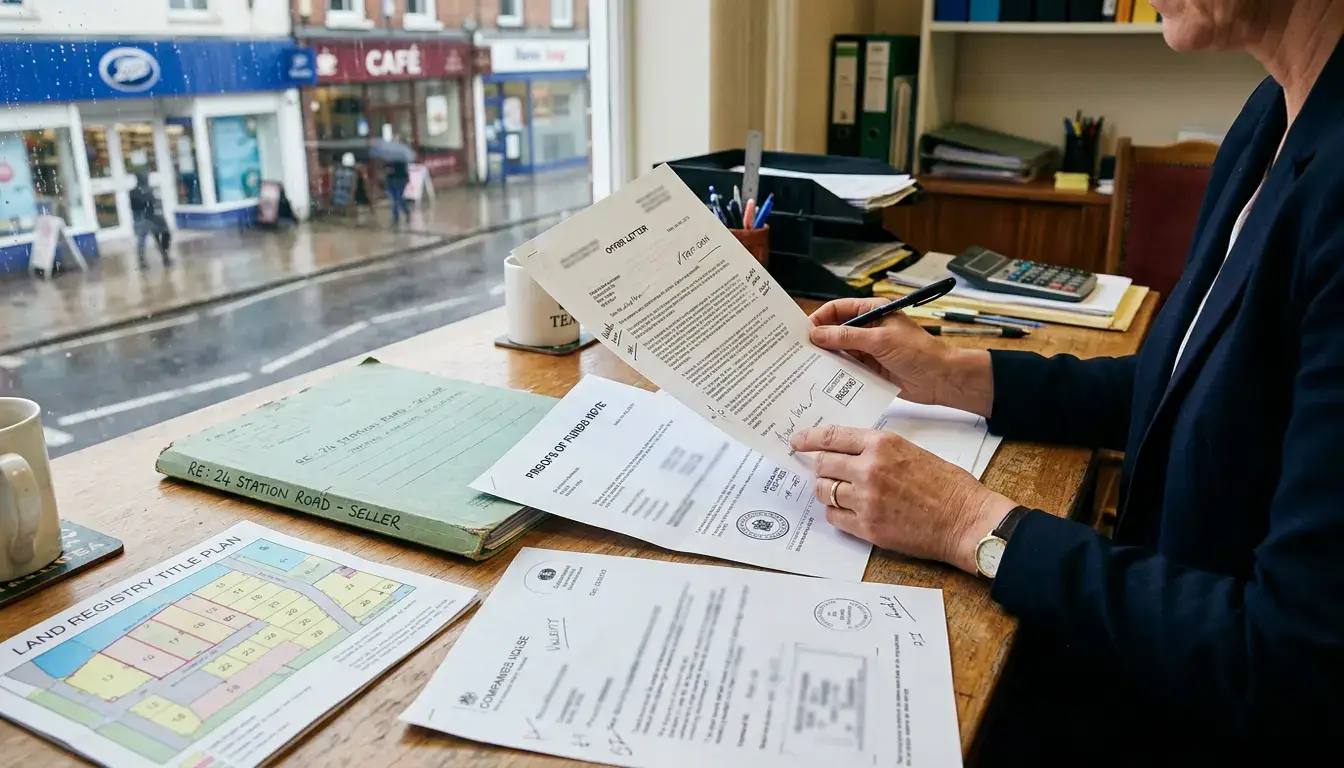
Missing paperwork is one of the easiest ways to slow a sale that should have moved quickly. Buyers and solicitors will ask for evidence, and delays often start when sellers have to dig through old folders, contact councils, or chase managing agents after an offer has already been accepted.
Gather the title register and title plan, proof of identity, EPC, planning permissions, building regulation certificates, FENSA or CERTASS certificates, guarantees, warranties, electrical checks, and any party wall agreements. If the property is leasehold, you will also need the lease, ground rent details, service charge information, buildings insurance details, management company contacts, and any major works notices.
The TA6 property information form and TA10 fixtures and fittings form are also important because they give the buyer key details about boundaries, disputes, alterations, utilities, and what is included in the sale. Completing them carefully at the start can prevent awkward back and forth later. If there is something unusual, it is usually better to explain it clearly than hope nobody notices.
Instruct A Conveyancer Early
Many sellers wait until they accept an offer before speaking to a conveyancer, but early instruction can save valuable time. A conveyancer handles the legal work in a property sale. They can identify missing documents, review title issues, and prepare the contract pack so it is ready to send quickly once a buyer is found. That does not guarantee a fast completion, but it removes one of the most common causes of delay.
Early legal preparation is especially useful if the property has extensions, leasehold arrangements, old building work, shared access, boundary questions, or missing certificates. These issues can often be managed, but they take longer when they are discovered late. If you want a fast and calm sale, surprises are not your friend.
Keep Momentum After Accepting An Offer
An accepted offer in England and Wales is not legally binding until exchange of contracts, so momentum matters. Once you accept, make sure the memorandum of sale is issued promptly and that both solicitors have the correct contact details. Send requested documents quickly, return forms without delay, and ask for regular updates from the agent or conveyancer.
Keep an eye on key steps such as mortgage application, survey booking, draft contract pack, enquiries, exchange date, and completion date. If a buyer is slow to instruct a solicitor or provide evidence of funds, deal with it early rather than waiting until the chain becomes nervous. Clear communication will not solve every problem, but it often stops small delays becoming big ones.
If timing is more important than a full open market campaign, it can help to compare options for selling a property quickly with your price expectations, timescale, and legal position.
Manchester Sellers Should Use Local Evidence Carefully
Manchester is not one single property market. City centre flats, family homes in leafy suburbs, student lets, terraces near transport links, and larger homes across Greater Manchester can attract very different buyers. Broad city averages can be useful, but they are not a valuation for your street, your condition, or your exact layout.
If you want to sell a house quickly in Manchester without unnecessary price cuts, focus on neighbourhood level evidence. Compare recent completed sales in the same area, similar property types, similar tenure, and similar condition. Then look at current competition because buyers will compare your home with what else is available that week, not only what sold months ago.
Pennine Investments sees how local detail can shape decisions across the North West property market. A well priced property in the right area can still struggle if the buyer profile is wrong, while a more specialist property may need sharper marketing and clearer documents to attract serious interest. Local knowledge helps sellers avoid broad assumptions and make decisions based on the property in front of them.
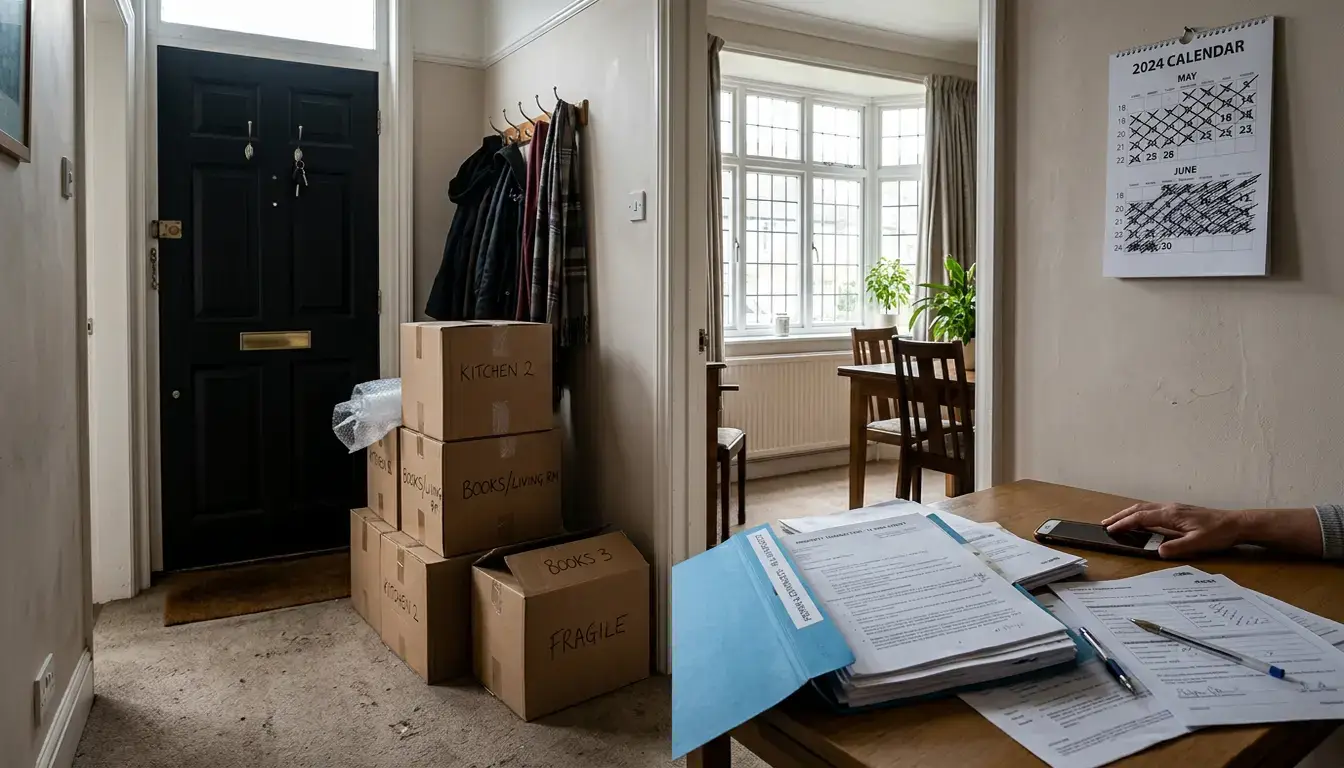
A Simple Thirty Day Preparation Plan
If you have a month before launch, use it well. In week one, gather valuation evidence, speak to agents, instruct a conveyancer, and start your paperwork checklist. In week two, handle small repairs, declutter properly, and check the EPC. In week three, prepare rooms for photography, confirm the floorplan, and agree the wording of the listing. In week four, plan the launch, open viewing slots, and decide how feedback will be reviewed.
This kind of preparation gives you more control. Buyers may still negotiate, surveys may still raise points, and legal questions may still appear, because property sales have a way of keeping everyone grounded. Even so, a prepared seller is in a stronger position than one who starts hunting for certificates after the buyer's solicitor has asked for them twice.
Frequently Asked Questions
Can I Sell My House Quickly Without Reducing The Asking Price?
Yes, if the asking price is realistic and supported by local evidence. You also need strong presentation, good marketing, a proceedable buyer, and organised paperwork.
Is A Cash Buyer Always The Fastest Option?
Not always. A cash buyer can avoid mortgage delays, but you should still check proof of funds, solicitor details, and their true chain position.
What Paperwork Should I Prepare Before Listing?
Prepare your EPC, title details, planning documents, building certificates, guarantees, warranties, and leasehold information if relevant. Early preparation can prevent delays after an offer is accepted.
Should I Renovate Before Selling?
Focus on visible repairs and simple improvements rather than expensive renovations. The goal is to remove buyer concerns, not spend heavily without clear evidence of return.
What If I Get Viewings But No Offers?
Look for patterns in feedback before reducing the price. The issue may be presentation, condition, layout, viewing experience, or how the home compares with nearby alternatives.