Selling a house in the UK usually costs around 1.5% to 3% of the sale price once the main fees are added together. On a £250,000 property, that means a realistic selling cost of about £3,750 to £7,500. The final amount depends on your estate agent, solicitor, mortgage, property type, removals and any work needed before completion.
The biggest costs are usually estate agent fees and legal fees, but smaller costs can still make a difference. Leasehold packs, mortgage exit charges, storage, waste removal and minor repairs can all reduce your final net proceeds. Net proceeds means the money left for you after all selling costs and mortgage repayments have been taken off.
Pennine Investments helps property sellers, landlords and investors understand the numbers behind a sale before making a decision. With practical experience across the North West property market, the team gives clear advice so sellers can weigh up cost, speed, risk and return with more confidence.
Cost To Sell A House In The UK
The real cost to sell a house is the full total of all selling fees, not just the estate agent charge. Most sellers need to budget for estate agent fees, conveyancing fees, an Energy Performance Certificate, removal costs and any final costs linked to a mortgage or leasehold property. Some costs are paid before the home is listed, while others are taken from the sale money on completion day.
For a simple freehold house with no mortgage penalties, costs are often near the lower end of the range. If you are selling a leasehold flat, a larger home, or a property that needs clearance and repairs, the total can be higher. Sellers in busy areas such as Manchester may also see different quotes for agents, solicitors and removals because property values, demand and access can change from street to street.
Estate Agent Fees When Selling A House
Estate agent fees are often the largest cost when selling a house. Traditional estate agents usually charge a percentage of the agreed sale price, commonly around 1% to 1.5% plus VAT. Fees can be lower or higher depending on the local market, the property value and the service offered. On a £250,000 sale, a 1.2% fee plus VAT would come to £3,600.
Some agents offer fixed fee packages, which can look cheaper at first. The important point is to check what is included. Photography, floor plans, accompanied viewings, premium property portal listings and sales progression may be included, or they may cost extra. A cheaper fee is not always better if weak marketing leads to a lower offer or a longer time on the market.
Ask whether the agreement is no sale no fee. With many high street agents, you only pay if the property sells, but some fixed fee or online agents charge upfront whether the sale completes or not. Always read the sole agency period, withdrawal terms and cancellation clauses before signing, as these can affect your options if the sale does not go to plan.
Conveyancing And Legal Fees
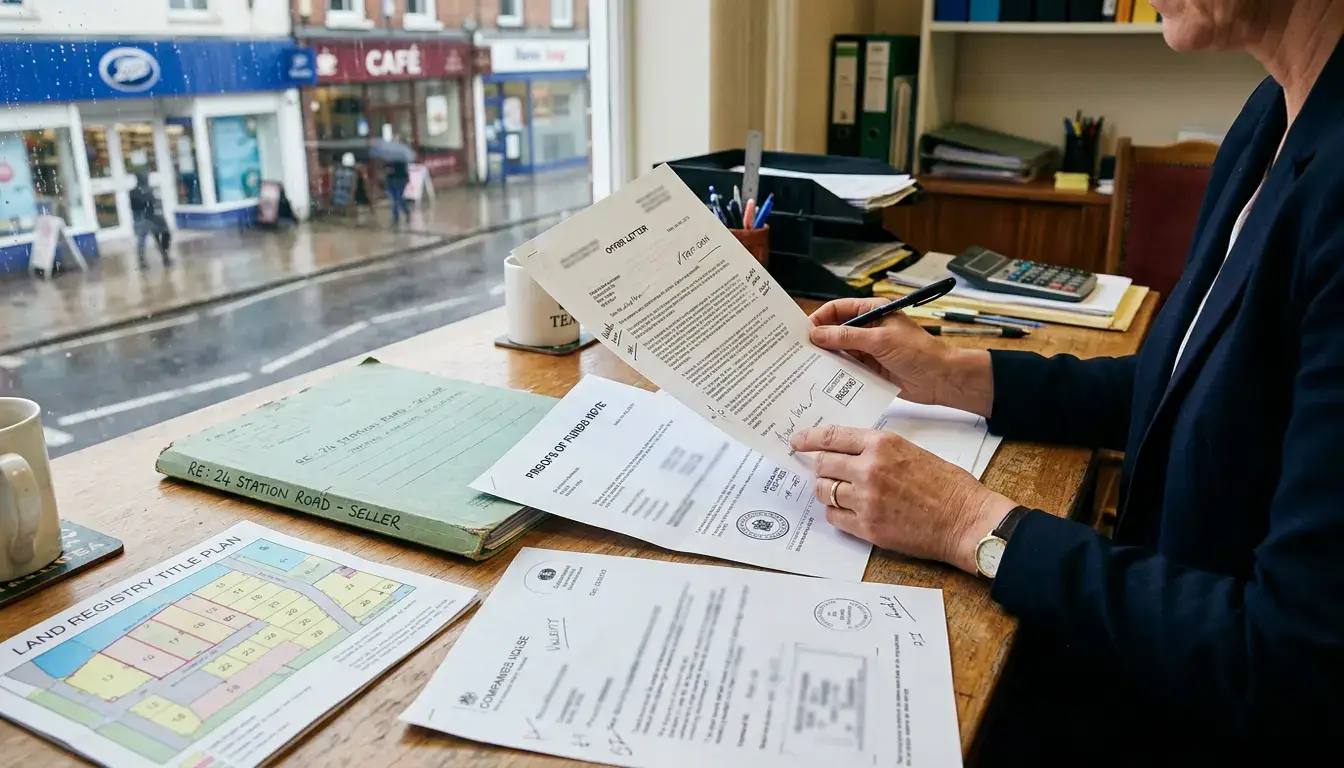
Conveyancing is the legal work needed to transfer ownership from you to the buyer. A solicitor or Licensed Conveyancer prepares the contract pack, answers buyer enquiries, deals with the title, speaks to your mortgage lender and arranges completion funds. Completion funds simply means the money needed to settle the sale on completion day. For a typical house sale, legal fees often range from about £700 to £1,500, including VAT and standard disbursements. Disbursements are costs paid to other organisations as part of the legal process.
The fee can rise if the sale is more complex. Leasehold properties usually cost more because the conveyancer has extra documents to review and send to the buyer. Shared ownership, unregistered land, missing certificates, solar panel leases, building rules issues or neighbour disputes can also add time and cost. A clear quote should show the legal fee, VAT and likely extras, rather than one low headline figure.
Most legal fees are paid on completion, meaning they are taken from the sale proceeds before the remaining balance is sent to you. Your conveyancer will provide a completion statement showing the sale price, mortgage repayment, estate agent fee, legal costs and any other deductions. This is the document that shows what you actually receive after selling.
EPC Costs And Legal Requirements
An Energy Performance Certificate, usually called an EPC, is a legal requirement for most homes being sold in England and Wales. It rates the property's energy efficiency and gives buyers useful information about running costs and possible improvements. Sellers usually pay around £60 to £120 for an EPC, depending on the property and assessor.
You must have ordered an EPC before marketing the property, and the certificate should normally be available to buyers promptly. For the official rules, the GOV.UK guidance on Energy Performance Certificates explains the seller's responsibility in plain terms. EPCs usually last for 10 years, so it is worth checking whether your property already has a valid one before paying for a new assessment.
An EPC is one of the smaller selling costs, but it is still important. Listing a property without meeting the requirement can cause delays and compliance issues. It is also useful for buyers, especially when energy bills are a major household concern.
Removal Costs When Selling A House
Removal costs vary because every move is different. A small local move with limited furniture may cost a few hundred pounds, while a larger family home moving across the country can cost well over £1,500. Packing services, fragile items, dismantling furniture, awkward access and storage can all increase the quote.
If you want to keep costs down, decluttering before you request quotes can make a noticeable difference. Removal companies usually price based on volume, labour and distance, so fewer boxes often means a lower bill. It is sensible to get at least three quotes and check whether insurance is included, as the cheapest quote may not give the best protection.
Some sellers also need short term storage if completion dates do not line up. This is common when there is a chain, or when the seller is moving into rented accommodation before buying again. Storage can be useful, but it should be included in your budget rather than treated as a last minute surprise.
Hidden Costs Sellers Often Forget
Some selling costs are not needed for every property, but they can still affect the final amount you walk away with. These costs often depend on your mortgage, lease, property condition or moving plans. Planning for them early gives you a clearer view of your likely net proceeds.
- Mortgage exit fees: Some lenders charge an administration fee when the mortgage is repaid. This may be small, but it should still be checked.
- Early repayment charges: If you sell during a fixed rate or discounted mortgage period, you may face a larger charge. Your lender can confirm the exact amount.
- Leasehold sale packs: Freeholders or managing agents often charge for management packs needed by the buyer's solicitor. These can run into several hundred pounds.
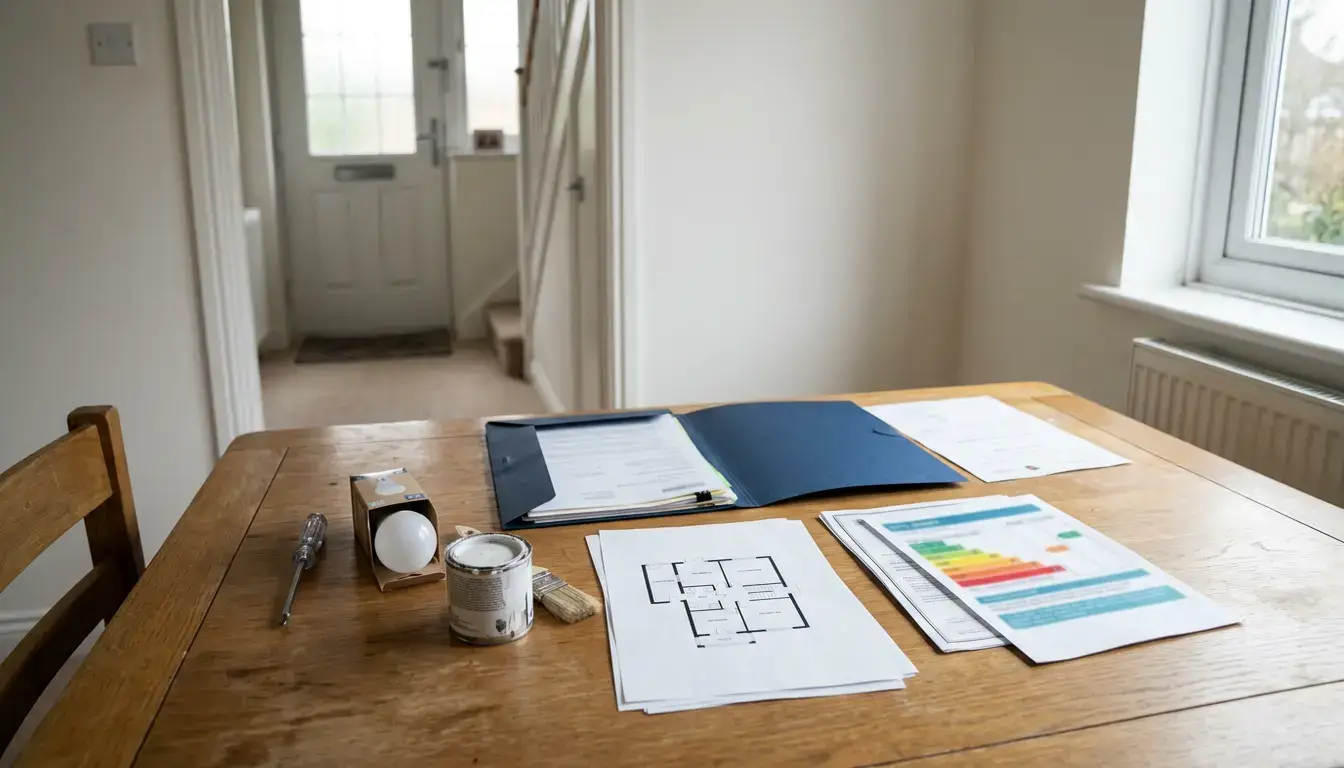
- Repairs and presentation: Fresh paint, minor repairs, garden tidy ups and professional cleaning can help a sale, but they still need a budget.
- Decluttering and disposal: Clearing lofts, garages and old furniture can involve skip hire, council collection charges or specialist disposal.
Not every seller needs to spend heavily on improvements. The key is to focus on work that removes buyer doubts or improves first impressions. A clean, tidy and well presented home can feel easier to buy, while expensive upgrades may not always be recovered through a higher sale price.
Example Cost To Sell A House
A simple example can make the numbers easier to picture. For a £200,000 freehold house with a competitive agent fee, standard conveyancing, a valid EPC and a small local move, the total selling costs might be around £3,000 to £4,500. This would usually include agent fees, legal work and removals, with limited extras.
For a £300,000 property using a full service estate agent, new EPC, standard legal work and a medium sized removal, the total might sit around £5,000 to £8,000. If the property is leasehold, needs extra paperwork, or involves a mortgage repayment charge, the figure could rise. A larger home with complex legal work, storage, clearance and higher agent commission could cost £10,000 or more to sell.
These examples are not fixed quotes, but they show why sellers should look beyond one fee. The best budget includes the obvious costs and a small buffer for surprises. Even a £500 extra allowance can reduce stress when the completion statement arrives.
When Selling Costs Are Paid
Most selling costs fall into three stages. Before marketing, you may pay for an EPC, minor repairs, cleaning, photography extras or garden work. During the sale, you may pay for leasehold packs, survey related certificates or documents requested by the buyer's solicitor.
At completion, the larger costs are usually settled from the sale proceeds. This often includes estate agent fees, legal fees, mortgage repayment and any agreed deductions. Your conveyancer handles the money, pays the relevant parties and transfers the remaining balance to you once completion has taken place.
This timing matters because you do not always need cash upfront, which can be a relief when you are already planning a move. However, sellers should still know what will be deducted at the end. A sale price can look strong on paper, but the amount you receive depends on the costs behind it.
How To Reduce The Cost Of Selling A House
You can reduce the cost of selling a house without cutting corners, but it is important to protect the quality of the sale. Compare estate agent quotes carefully, and look at track record, marketing quality and communication rather than fee alone. A skilled agent who achieves a stronger price may offer better value than a cheaper agent who struggles to attract buyers.
Get conveyancing quotes early and ask what is included. Provide paperwork quickly, including guarantees, planning documents, building certificates and lease information, because missing documents can cause delays and extra charges. Check your EPC status before ordering a new one, and speak to your lender about any mortgage exit fees or early repayment charges before accepting an offer.
If speed and certainty matter more than the open market process, some sellers look at direct sale routes. Pennine Investments offers a sell property fast service for owners who want to understand another way to sell, especially where timing, property condition or a chain makes a traditional sale less suitable. The right route depends on your priorities, not just the lowest visible fee.
What Sellers In Manchester And The North West Should Consider
Manchester and the wider North West have a varied property market, with city centre flats, family houses, terraces, rental properties and development opportunities all behaving differently. Selling costs can vary by property type, location and buyer demand. A leasehold apartment in Manchester city centre may involve management packs and service charge enquiries, while a freehold house in a suburban area may have a simpler legal process.
Local knowledge can also affect pricing and sale strategy. A realistic valuation, well timed marketing and a clear understanding of buyer expectations can help avoid wasted weeks and price reductions. Sellers should think about the full result, including fees, time, certainty and the amount left after completion, rather than focusing only on the headline sale price.
Key Takeaway On Selling Costs
The cost of selling a house can feel unclear at first, but most fees are easier to manage once you know what to expect. By checking agent fees, legal costs, EPC requirements, removals and possible extras early, you can make better decisions and avoid last minute surprises. A little planning now can make the whole sale feel calmer, clearer and much less like guesswork.
Frequently Asked Questions
Do I Need An EPC To Sell My Home?
Yes, most homes need an EPC before they are marketed for sale. If your existing EPC is still valid, you may not need to pay for a new one.
How Much Are Estate Agent Fees In The UK?
Estate agent fees commonly sit around 1% to 1.5% plus VAT of the sale price. Fixed fee options are available, but check what is included before choosing.
Are Conveyancing Fees Paid On Completion?
In many cases, conveyancing fees are deducted from the sale proceeds at completion. Some firms may ask for money upfront for documents or initial work.
What Are The Biggest Hidden Selling Costs?
Mortgage early repayment charges, leasehold management packs, storage, repairs and clearance costs are the ones sellers often overlook. Checking these early helps you budget with fewer surprises.
Can I Reduce Removal Costs?
Yes, decluttering before getting quotes can reduce the volume being moved. Comparing several removal firms and being flexible with dates may also help lower the price.